


🎙️ AUDIO DEEP DIVE OF THIS ISSUE:
Sammy & Mila offer in-depth analysis on each newsletter issue. Subscribe to their podcast on Spotify or any other podcast platform.
📊 TRENDS, RESEARCH & REPORTS:
People Are No Longer Making Purchase Decisions Alone
The art and science of influencing consumer behavior, often termed “consent engineering”, has undergone a profound transformation.
Once a relatively straightforward process of highlighting product benefits, it has evolved into a complex interplay of branding, perception management, and psychological understanding.
Edward Bernays, a pioneer in public relations, laid the groundwork for this shift. His work, deeply influenced by Sigmund Freud's exploration of the unconscious, demonstrated the power of tapping into people's subconscious desires to drive consumer behavior.
Watch the documentary “The Century of the Self”, which tells the story of this.
This approach, while effective in its time, has been significantly complicated by the evolving consumer landscape.
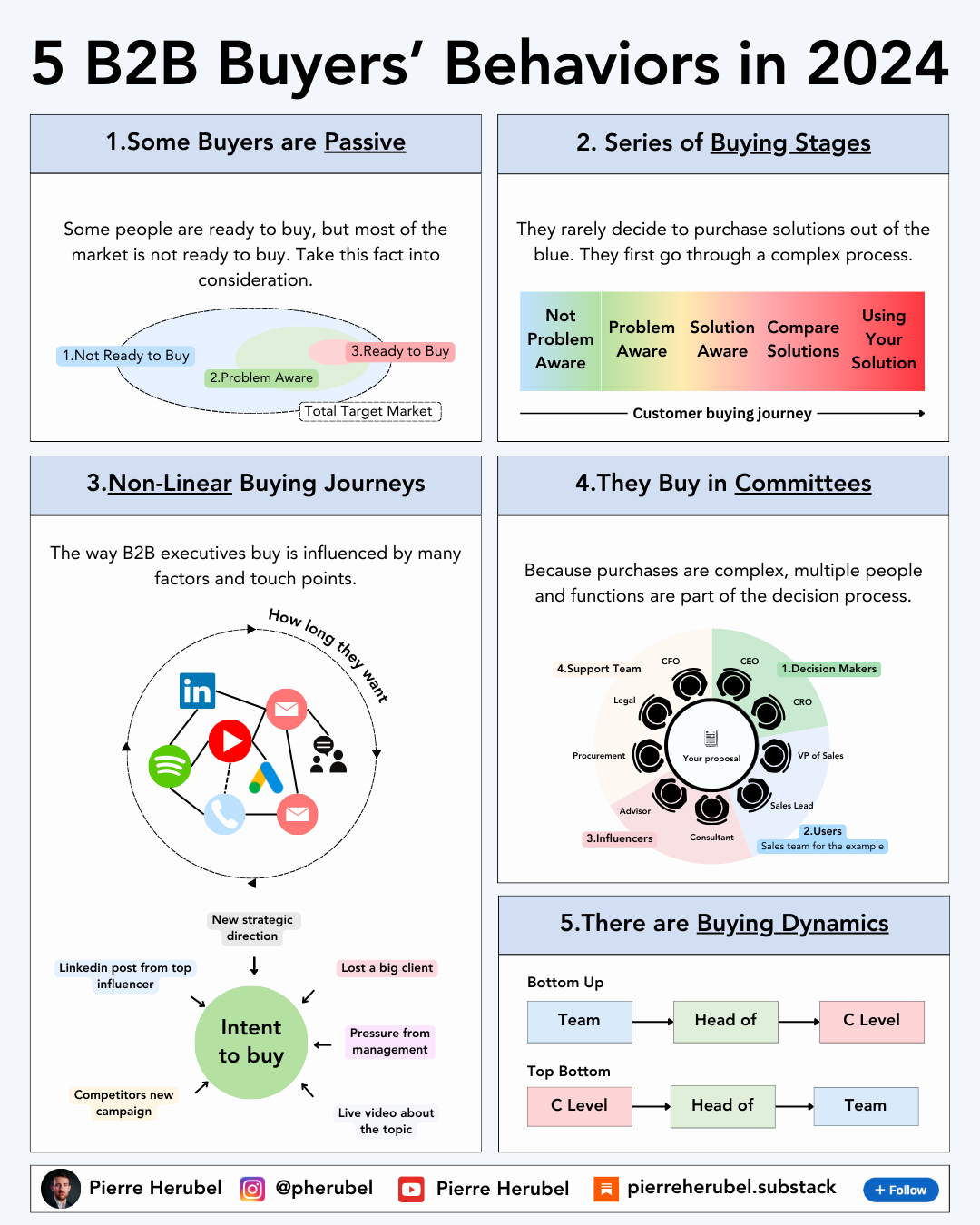
Contemporary consumers operate within intricate social and economic networks. Purchasing decisions are no longer isolated acts but collaborative processes involving multiple stakeholders. The reasons for this are multifaceted:
Product Sophistication: Modern products are often highly complex, demanding specialized knowledge that exceeds the capabilities of a single individual. This necessitates a collective decision-making approach, involving experts from various domains.
Complex Purchasing Journeys: The path to purchase is no longer linear. Consumers traverse multiple stages, from awareness to consideration, evaluation, and ultimately, purchase. This extended process involves information gathering, comparison, and often, reevaluation.
Group Dynamics: Family, friends, colleagues, and online communities influence consumer choices. Social proof, peer pressure, and shared values play a pivotal role in shaping preferences and decisions.
Digital Transformation: The internet and social media have empowered consumers with unprecedented access to information and product comparisons. This has flattened the traditional sales funnel and created a more dynamic and unpredictable purchasing environment.
Consequently, consent engineering must adapt to these new realities. It is no longer sufficient to focus solely on the individual consumer; understanding the broader ecosystem of influences is crucial. Marketers must develop strategies that resonate with groups, address shared needs, and navigate complex decision-making processes.
Moreover, the concept of "passive buyers" is becoming increasingly outdated. Consumers are active participants in the marketplace, armed with information and empowered to make informed choices. Building trust, credibility, and authentic relationships is paramount.
In conclusion, the practice of consent engineering has become more challenging but also more rewarding. Those who can master the complexities of group dynamics, digital influence, and consumer psychology will be best positioned to thrive in this evolving landscape.
🧙♂️ TIPS & TRICKS:
Are You Pushing Your Creativity Enough?
As I mentioned earlier, traditional marketing tactics are losing their edge. Most of us fall into the trap of following the crowd, trying what everyone else is doing, and then giving up when it doesn't work.
But the real magic happens when we unleash our creativity.
Coming up with fresh ideas is tough. Our busy lives often force us to take the easy, familiar route. We prioritize quick fixes over deep thinking. But that's where we miss out on groundbreaking ideas.
Tom Orbach understands this struggle and offers a treasure trove of unconventional marketing tactics (see here). He categorizes them by goal, providing a roadmap to stand out and grow your audience.
Slogan Creation: Think Times Square billboards, quirky job postings, or April Fool's Day product launches.
Brand Awareness: Share surprising insights, celebrate industry leaders, or create epic product videos.
User Acquisition: Offer bite-sized features, use personal language, and build highly interactive landing pages.
User Engagement: Optimize onboarding, host exclusive offline events, and create a mini social community.
Monetization: Experiment with custom pricing, price anchoring, or premium options.
Orbach's message is clear: extraordinary marketing demands extraordinary thinking. It's about taking risks, exploring new channels, and surprising your audience.
The possibilities are endless. If you're ready to break free from the ordinary, you can unlock your creative potential.
I highly recommend “Creative Confidence” by Tom Kelley. It's a game-changer that will help you unleash your inner creativity.

📱 NEXT BIG APPS:
Tools for Creatives and Designers
Creatives Need a Simpler Way to Prototype. For professionals in the creative field, quickly turning ideas into tangible prototypes is essential.
Mockplus offers a comprehensive solution by providing a platform that seamlessly integrates design, prototyping, and collaboration.
This all-in-one tool streamlines the creative process, allowing designers to efficiently bring their visions to life.
Designers Seek Inspiration with AI. Color selection can be a daunting task for designers. Colormind, an AI-powered tool, simplifies this process by generating harmonious color palettes based on a vast database of images and art.
This solution provides designers with fresh inspiration and helps them create visually appealing designs with ease.
📰 LATEST NEWS DECODED:
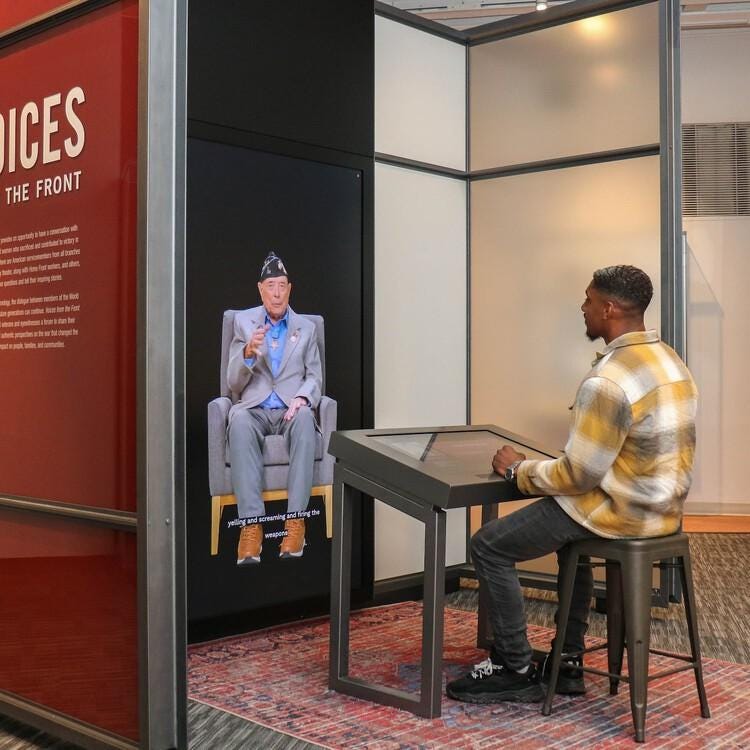
WWII Museum's AI Project
News Sources: CBS News
Why is it matters
The project aims to preserve the stories and experiences of Holocaust survivors for future generations, ensuring that their legacy continues even after they are gone.
Future Effect
The project will enable people to have meaningful conversations with Holocaust survivors, long after their passing, keeping their memories and stories alive.
It will provide a unique and interactive way for people to learn about the Holocaust, allowing them to ask questions and engage with the survivors' stories directly.
The technology used in this project has the potential to be applied to other areas, such as interviewing historical figures or recording personal histories for future generations.
Actionable Steps
The USC Shoah Foundation is working to interview as many Holocaust survivors as possible, capturing their stories and experiences.
The interviews are conducted using a mobile rig, with survivors sitting inside a dome surrounded by cameras and lights to future-proof the interviews for technological advancements.
Each survivor is asked thousands of questions to cover a range of topics and potential inquiries from future generations.
The responses are then edited, reviewed, and added to a database, along with potential questions that could trigger each response.
The foundation is also working to improve the artificial intelligence technology to enhance the range of questions that can be asked and improve the overall experience.
Heather Maio, one of the project's creators, has started an independent company to expand the use of this technology beyond the Holocaust, offering it to anyone who wishes to record their history interactively.
💡 INSPIRING IDEAS:
“The size of your dreams shows that you have power.”
— Helen Schucman