


🎙️ AUDIO DEEP DIVE OF THIS ISSUE:
Sammy & Mila offer in-depth analysis on each newsletter issue. Subscribe to their podcast on Spotify or any other podcast platform.
🧙♂️ TIPS & TRICKS:
Growing Pains and Big Wins: Lessons from Morning Brew
We all know how tough it is to grow a small business from scratch. You hit roadblocks, you pull your hair out, and then – BAM! – a solution pops up out of nowhere. That’s kinda what happened to Morning Brew.
These guys started with zero dollars and two super-young founders. Their goal? Reach $400,000 to keep the lights on. Talk about pressure! They had no clue about ads, no big brands wanted to touch them, and their bank account was looking mighty thin.
But then, a lucky break! They landed their first ad deal. It was small, but it showed them that other businesses were interested. They realized that companies wanted quick results, so they focused on those types of clients.
The initial spark of excitement for Morning Brew came in the form of a tantalizing email. A potential $250,000 deal with a major financial institution was dangled before the young company. It was a dream come true, a lifeline in the challenging startup world. However, the euphoria was short-lived as the deal unexpectedly fell through, leaving the team disheartened but determined.
Instead of dwelling on the setback, they embarked on a strategic pivot. Their investigation revealed a surprising fact: the CMO of Discover Card was a dedicated subscriber to their newsletter.
This discovery presented an opportunity disguised as a challenge. Rather than aggressively pitching for a deal, the Morning Brew team opted for a more subtle approach.
They initiated a conversation with the CMO, positioning themselves not as eager salespeople but as curious industry peers seeking advice. By genuinely engaging in a dialogue and demonstrating a keen interest in her perspective, they cultivated a relationship built on mutual respect and trust.
This strategic relationship-building proved invaluable when a second opportunity with Discover Card emerged. Armed with the rapport established through their previous interactions, Morning Brew crafted a compelling pitch that resonated with the CMO.
Their ability to understand Discover Card's goals and articulate how Morning Brew could help achieve them was the key to securing the $100,000 deal. It was a pivotal moment, a validation of their strategy and a testament to their resilience.
Getting a huge company like Discover Card on board was the real game-changer. It was like winning the lottery! But it didn’t happen overnight. They had to be persistent, creative, and really show those big companies why they were worth it.
Understand your audience: Morning Brew knew their audience was young professionals interested in finance. They provided a newsletter with financial content that resonated with their target audience.
Build relationships: The founders reached out to admissions directors at universities, a group likely interested in their audience. Building trust with initial clients like the University of Virginia led to more deals.
Persistence pays off: Despite initial rejections, Morning Brew persisted in reaching out to potential clients.
So, what can we learn from Morning Brew? Well, start small, dream big, and never give up. Build real connections, understand your customers, and be ready to hustle. Most importantly, believe in yourself and your business. If these guys can do it, so can you.
📊 TRENDS, RESEARCH & REPORTS:
Newsletters: Worth the Hassle?
Now that we've touched on the challenges of putting together a newsletter, let's talk about whether it's still a worthwhile endeavor in today's digital landscape.
Everyone has a phone these days, and we can find any information we want with a single click. Social media, news sites, YouTube—they're constantly throwing new content at us.
Given this content overload, does it still make sense to write newsletters?
Patreon's founder, Jack Conte, delivered a keynote at SXSW 2024 that resonated deeply with creators.
He shared his personal journey as an artist and explained how the simple 'subscribe' button on YouTube transformed his career.
Conte also delved into the manipulative tactics used by social media platforms to exploit content creators. While the talk has a promotional slant, it's a valuable watch for anyone producing genuine content.
Conte’s key takeaway? The importance of direct, authentic connections. Newsletters are a prime example of such channels.
I know from personal experience that writing a newsletter is a lot of work. Finding a new topic each week, editing, and designing the newsletter—before you know it, hours have passed.
And getting the engagement you're hoping for is even harder. People are bombarded with content. Instead of actively seeking information, they tend to just consume whatever comes their way.
And with the advent of AI chatbots like ChatGPT, creating written content seems pretty absurd.
So why are there still so many newsletters?
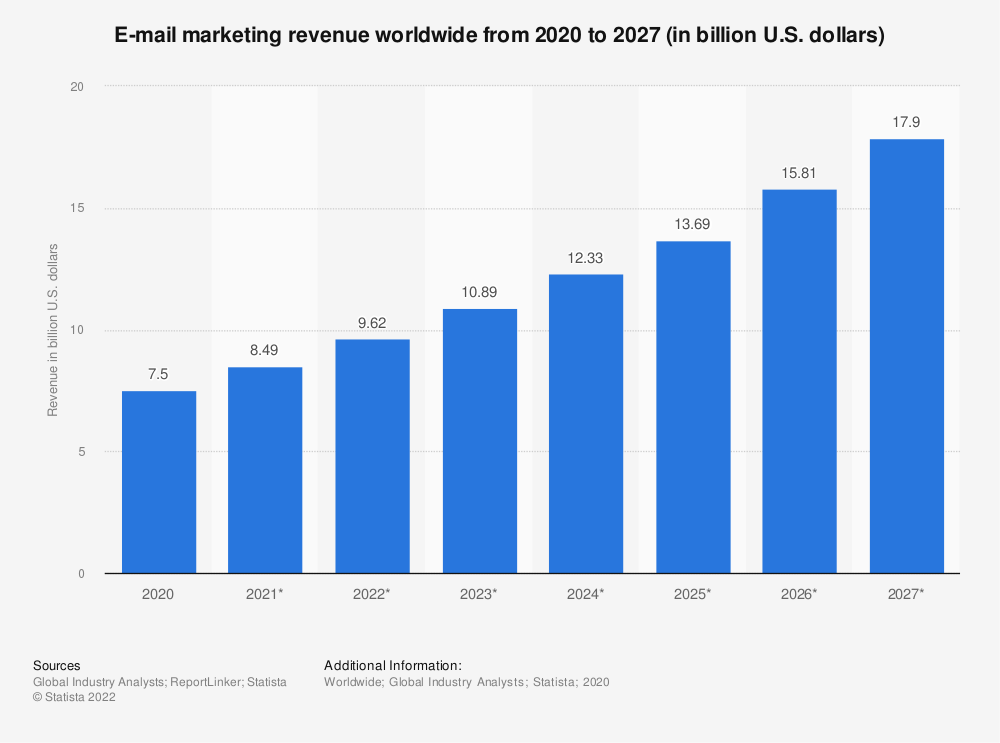
The answer lies in the benefits newsletters offer.
For the consumer, the benefit is clear. Most newsletters deliver bite-sized information in the easiest and most direct way, making them popular choices.
But I want to focus on the benefits of writing a newsletter for the individual:
Discipline and Knowledge Accumulation: Writing a newsletter encourages you to research and read regularly. This gives you the opportunity to constantly improve yourself in your field. It's like a second brain, a valuable knowledge base that you build over time. With the advancement of AI technology, I believe this personal database will be incredibly beneficial to us in the future.
Valuable Relationships: People who subscribe to your newsletter genuinely value the content you produce. These individuals are incredibly valuable to you (think of the "1000 True Fans" concept). Social media followers are often fleeting. If the social networks where your followers are gathered close your account or shut down, you're left with nothing. But with newsletters, you have the email addresses of people you can directly communicate with, without any intermediaries.
Growth Through Identity and Value Creation: Social media accounts can be at the mercy of algorithms, and your reach can suddenly drop. Newsletters, however, allow you to build a more intimate connection with your audience. This leads to more sustainable growth in the long run.
🧙♂️ TIPS & TRICKS:
Teaming Up With Tiny Brains
Remember that issue we had a while back about using AI as a teammate? Well, this time we're taking things a step further!
Imagine a team of super-smart helpers, each an expert in a different area, working together to tackle your toughest tasks. That's the idea behind Multi-Agent Systems.
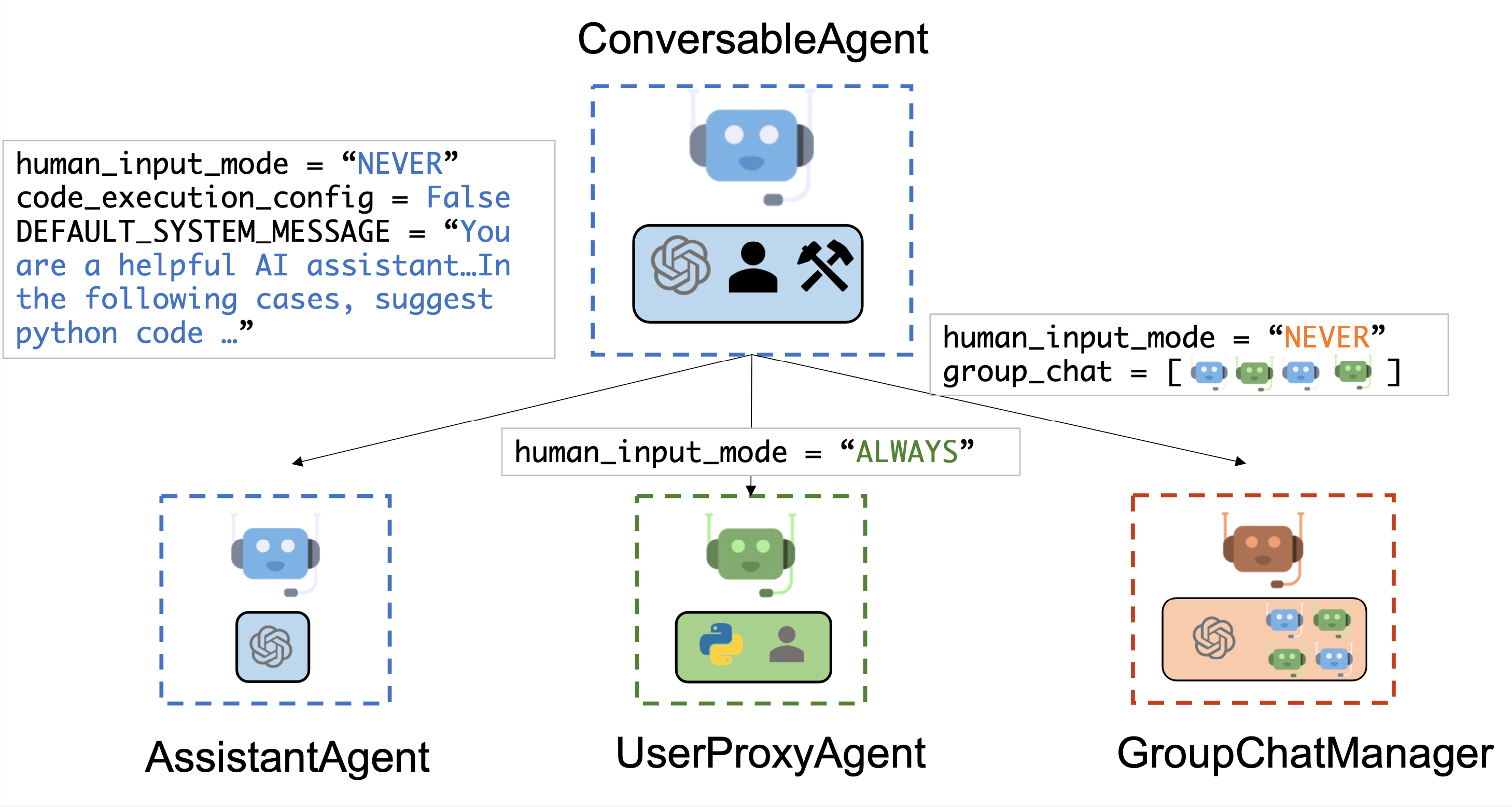
Think of it like this: you have a customer service rep who's amazing at calming down stressed clients, a marketing whiz who crafts perfect ads, and a data analyst who predicts what products will sell best. Now, imagine all three working together seamlessly to solve problems. That's the power of Multi-Agent Systems!
Here are some examples of how Multi-Agent Systems can help your business:
Optimizing Your Inventory: An AI agent can analyze sales trends and predict which products will fly off the shelves, while another agent keeps track of stock levels and automatically reorders when needed. No more lost sales or wasted storage space!
Supercharging Your Marketing: One agent can analyze customer data to target the right people with the right ads, while another agent personalizes marketing messages for maximum impact. Say goodbye to generic marketing blasts and hello to laser-focused campaigns!
Improving Customer Service: Imagine an agent that can understand customer queries and answer their questions quickly and accurately. Another agent could even learn from each interaction and constantly improve its responses. Customer service nightmares become a thing of the past!
Here's the best part: these systems can boost your efficiency by a whopping 10-15%. That's a big jump for any small business.

Now, this might sound like fancy tech from the future, but the truth is, Multi-Agent Systems are becoming more accessible and affordable every day.
📰 LATEST NEWS DECODED:
OpenAI announces a search engine called SearchGPT; Alphabet shares dip
Source: CNBC
Why is it important news?
OpenAI's announcement of SearchGPT marks a significant step forward in the evolution of search engines.
It signals a potential shift from traditional keyword-based searches to a more conversational and interactive approach.
This could fundamentally alter how users interact with information online and poses a direct challenge to Google's dominance in the search market.
Potential Future Effects of SearchGPT
Increased competition in the search engine market: SearchGPT could erode Google's market share by offering a superior user experience.
Accelerated development of AI-powered search technologies: Other tech giants and startups are likely to invest heavily in AI-driven search capabilities to compete with OpenAI and Google.
New business opportunities: The rise of conversational search could create new business models and opportunities for developers and content creators.
Privacy concerns: As search engines become more intelligent and personalized, there may be increased concerns about data privacy and security.
Take Actions
Focus on high-quality content: Create valuable and informative content that addresses user needs and questions, as this will be increasingly important for search rankings.
Optimize for voice search: As conversational search gains popularity, optimize your website and content for voice commands.
Consider AI-powered tools: Explore AI tools and platforms that can enhance your business operations and customer interactions.
Build a strong online presence: A robust online presence will be crucial for visibility and competitiveness in the evolving search landscape.
💡 INSPIRING IDEAS:
“We (McDonald's) are not technically in the food business. We are in the real estate business. The only reason we sell fifteen-cent hamburgers is because they are the greatest producer of revenue, from which our tenants can pay us our rent.”
— Harry J. Sonneborn